
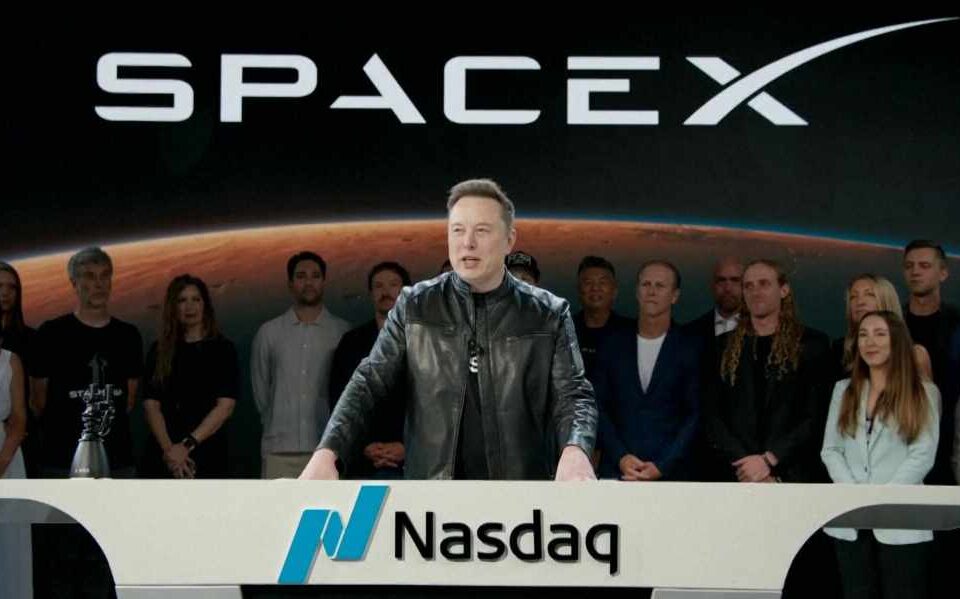
SpaceX’s post-IPO rally has come to a sudden halt.
The company’s shares fell below their $135 IPO price for the first time on Friday, dropping to about $124 by midday as investors extended a weeks-long selloff that has erased roughly $1 trillion in market value from the stock’s June peak. The slide has handed short sellers an estimated $8.7 billion in paper gains, turning one of Wall Street’s most closely watched debuts into one of its most volatile trades.
The decline comes just a month after Musk outlined one of the most ambitious financial goals in corporate history, saying he expects SpaceX to generate more than $1 trillion in annual revenue by 2031. Hitting that target would place the rocket and satellite company among the largest businesses ever built.
The latest selloff marks a sharp reversal for a company that captivated Wall Street after raising more than $85 billion in the largest IPO in history on June 12. SpaceX shares climbed to a post-IPO high of $225.64 before investor sentiment turned, erasing about $1 trillion in market value from the June peak. The stock was trading at $123.55 at the time of writing.
Short Sellers Make $8.7 Billion Betting Against SpaceX as Stock Drops Below IPO Price
Data from analytics firm Ortex Technologies shows bearish investors have continued to increase their positions throughout the decline rather than locking in profits. Short sellers borrow shares, sell them, then attempt to repurchase them later at a lower price. The strategy pays off when a stock falls, and SpaceX has delivered exactly that since peaking in June.
“Short sellers targeting SpaceX are sitting on an estimated $8.7 billion in paper profit since the rockets-to-AI firm’s initial public offering last month, as its stock slipped below the IPO price,” Reuters reported, citing Ortex data.
“SpaceX has been a rollercoaster for the short sellers, and it has ended up firmly in their favor,” Ortex co-founder Peter Hillerberg said. “Rather than take profits, the bears kept adding the whole way down.”
The stock briefly slipped below its IPO price on Wednesday before recovering to close above $135. That support gave way on Thursday, when shares finished at $131.11, their first close below the IPO price. Selling accelerated Friday, pushing the stock below $125.
The latest leg down followed the cancellation of SpaceX’s first Starship launch since becoming a public company. The mission had been scheduled for Thursday from the company’s Starbase facility in South Texas.
“Some of the engines didn’t start, triggering an automatic launch abort,” CEO Elon Musk said in a post on X, adding that SpaceX would make another attempt “early next week.”
“To be confident of a good flight, 2 Raptors will be removed & replaced. The most probable launch timing is early next week.”
Starship carries enormous strategic importance for SpaceX. The fully reusable launch system is expected to deploy future generations of Starlink satellites, and NASA plans to use a modified version of the vehicle for crewed lunar landings under the Artemis program. Investors have closely tracked the program’s progress as they evaluate the company’s long-term growth prospects.
Selling pressure has come from more than launch delays.
Investors are preparing for a series of lockup expirations expected to begin after SpaceX reports its first quarterly earnings in August. At that point, employees and some early investors will be eligible to sell roughly 911.5 million shares, with additional restrictions scheduled to expire in the months that follow. The prospect of that new supply reaching the market has weighed on sentiment.
The decline has left investors who bought at the IPO price sitting on losses for the first time since SpaceX went public.
Ortex estimates that nearly half of SpaceX’s publicly tradable shares are now on loan, suggesting short interest remains unusually high.
“We believe most of that is short selling,” Hillerberg said.
The company’s valuation has remained one of the market’s biggest points of debate. Bulls point to SpaceX’s leadership in commercial spaceflight, Starlink’s growing satellite business, and its long-term AI ambitions. Bears argue that the valuation already reflects years of future growth, leaving little room for execution missteps or shifts in investor sentiment.
The unusually large short position adds another layer of uncertainty. Ortex estimates that every $1 move in SpaceX shares changes short sellers’ combined profit or loss by more than $300 million, creating conditions for sharp swings in either direction if market sentiment changes.