
Apple is back on top.
The iPhone maker overtook Nvidia on Friday to become the world’s most valuable publicly traded company, marking a sharp turn in investor sentiment around artificial intelligence. Apple closed with a market value of about $4.88 trillion, edging past Nvidia at roughly $4.86 trillion after Nvidia’s shares fell 3.5%.
The milestone is about far more than bragging rights. It signals that investors are starting to look beyond the companies building AI infrastructure and placing fresh bets on businesses they believe can turn the technology into long-term profits. Apple spent much of the past two years answering questions about whether it had fallen behind in AI. Now Wall Street is rewarding a different strategy.
“Apple was seen as a laggard in the AI race because it wasn’t spending to develop models, but now sentiment has changed,” said Toni Meadows, head of investment at BRI Wealth Management.
“Apple is less exposed to capex intensity and better positioned to monetize AI via services, ecosystem lock-in, and hardware upgrades. The re-rating reflects confidence in earnings durability rather than speculative AI upside.”
Meanwhile, earlier in the trading session, CNBC reported that “Apple and Nvidia battled it out on Friday for the title of world’s most valuable company.” The lead changed hands several times before Apple finished the day ahead, underscoring how closely matched the two companies have become in market value.
Apple Surpasses Nvidia to Become World’s Most Valuable Company as AI Trade Evolves
The shift marks Apple’s first return to the top since April last year and reflects growing confidence that its massive installed base of iPhone users could become one of the company’s biggest AI advantages. Investors appear to be placing greater value on Apple’s ability to weave AI into products and services that hundreds of millions of customers already use every day rather than competing to build the largest foundation models.
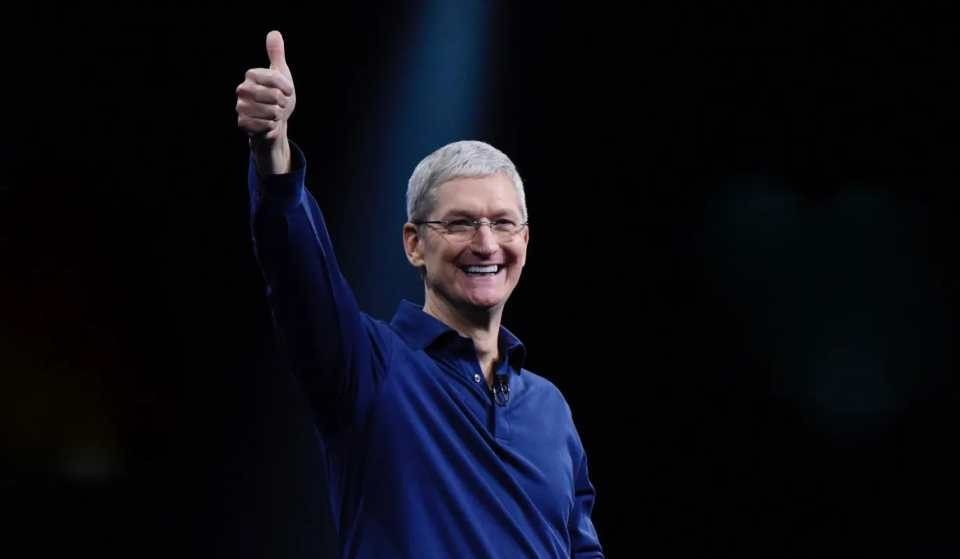
The timing carries added weight for Chief Executive Tim Cook, who is preparing to hand leadership of the company to hardware chief John Ternus in September. Apple’s position at the center of the AI conversation could shape how Cook’s final months leading the company are remembered.
Last month, Apple introduced its long-awaited Siri overhaul, its biggest step yet to strengthen its AI strategy after months of criticism that it had fallen behind rivals. The company is betting that a more capable Siri will narrow the gap with competitors that moved earlier in generative AI.
Many analysts believe Apple’s greatest AI asset has never been its models. It is the vast amount of personal information stored securely across millions of iPhones. That data could make Siri significantly more useful by delivering responses tailored to a user’s context and habits.
Turning that advantage into reality presents a difficult challenge. Apple’s privacy-first approach has long been central to its brand, leaving the company to find ways to make Siri smarter without compromising the protections customers expect.
Nvidia’s loss of the top spot does not signal the end of its AI leadership. The company remains at the center of the AI infrastructure buildout, with its graphics processors powering data centers operated by the largest technology companies and AI startups. A renewed rally in AI spending could easily lift Nvidia back into first place.
Nvidia became the first company to surpass a $5 trillion market valuation last October, cementing its position as the biggest winner of the generative AI boom. Friday’s reshuffling shows that investors are beginning to ask a different question. Building AI may no longer be enough. The next phase may belong to companies that can generate durable profits from it.
Apple faces its own pressures. The company recently raised prices to offset higher costs, a move that could weigh on consumer demand if spending slows.
“I don’t see any meaningful distinction. Nvidia likely to be a significant participant in whatever happens going forward,” said Benjamin Hall, vice president, alpha research at Segal Marco Advisors.
The enthusiasm surrounding AI has spread far beyond Nvidia. Memory chip makers have emerged as some of this year’s strongest performers as investors recognize their growing role in AI infrastructure. Micron crossed the $1 trillion market value mark in May, reflecting rising demand for high-bandwidth memory used in AI systems. South Korea’s SK Hynix joined the Nasdaq earlier this month, giving investors another major AI hardware company to watch.
“The new entrants to the market could spread out the focus away from the pure Magnificent Seven names into a wider number of names,” Hall said.
The rally has not been without setbacks. Investors pulled back from AI-related stocks in July as questions grew over how long the spending boom could continue. The Philadelphia Semiconductor Index has fallen nearly 19% from its record high. Yet the index has still outperformed Nvidia this year, a sign that investor interest is spreading across a broader group of semiconductor companies instead of concentrating on a single AI leader.
For now, Apple’s return to the top reflects a broader shift in how Wall Street values artificial intelligence. The race is no longer centered solely on the companies building the chips. Investors are paying closer attention to the businesses best positioned to turn AI into products, services, and recurring revenue at a global scale.