
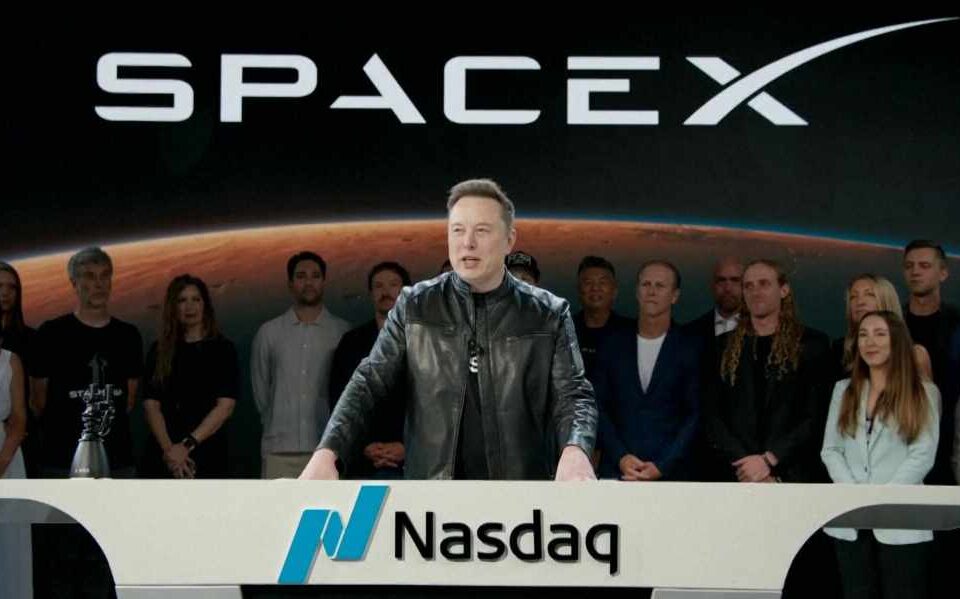
The excitement surrounding SpaceX’s record-breaking public debut is fading faster than many expected.
Shares of Elon Musk’s aerospace company fell for a fourth straight trading session on Wednesday, slipping below their $135 initial public offering price for the first time since listing. The decline leaves the stock roughly 34% below its post-IPO high, wiping out nearly $1 trillion in market value since its $225.64 peak.
The selloff marks a sharp shift in sentiment just weeks after SpaceX completed the largest IPO in history. The company raised a record $86 billion in its public debut, a milestone that pushed Musk’s net worth above the $1 trillion mark and fueled one of the strongest opening rallies ever seen for a newly listed company.
Investors are now reassessing the stock after that explosive start.
SpaceX Has Lost 40% of Its Value Since Peaking After Its Historic IPO
The stock is trading at $134.30 at the time of writing, though it remains down more than 39% from its post-IPO high of $225.64.
Wednesday’s decline came just one day before SpaceX is scheduled to conduct its 13th Starship test flight, a closely watched event that could influence investor confidence. Starship sits at the center of SpaceX’s long-term growth strategy, with the company betting that the fully reusable rocket system will reshape satellite launches, deep-space missions, and future Mars exploration.
The latest slide suggests traders are focusing less on long-term ambitions and more on valuation after the stock’s extraordinary run following its debut.
SpaceX shares surged above $225 during their first month of trading and jumped about 20% on their first full trading day, driven by intense investor demand and optimism surrounding the company’s leadership in commercial spaceflight.
That momentum has weakened.
How a Historic IPO Turned Into a $1 Trillion Market Value Wipeout
Last week, SpaceX joined the Nasdaq-100 after a rule change shortened the waiting period for newly public companies to qualify for inclusion. The addition brought buying from index funds and other passive investment vehicles that track the benchmark.
Even that catalyst failed to reverse the downward trend. Shares dropped below their first-trade price of $150 one day after joining the index, then extended losses this week.
SpaceX’s performance is drawing attention across Wall Street for another reason. Its IPO was widely viewed as the event that could reopen the market for large technology listings after a long drought. Companies including Anthropic and OpenAI have confidentially filed paperwork with the U.S. Securities and Exchange Commission, setting the stage for potential blockbuster offerings, though neither company has announced a public listing timeline.
For investors, SpaceX’s recent decline is an early reminder that historic IPOs rarely move in a straight line. Initial enthusiasm can push valuations sharply higher, yet public markets eventually demand sustained financial performance and execution.