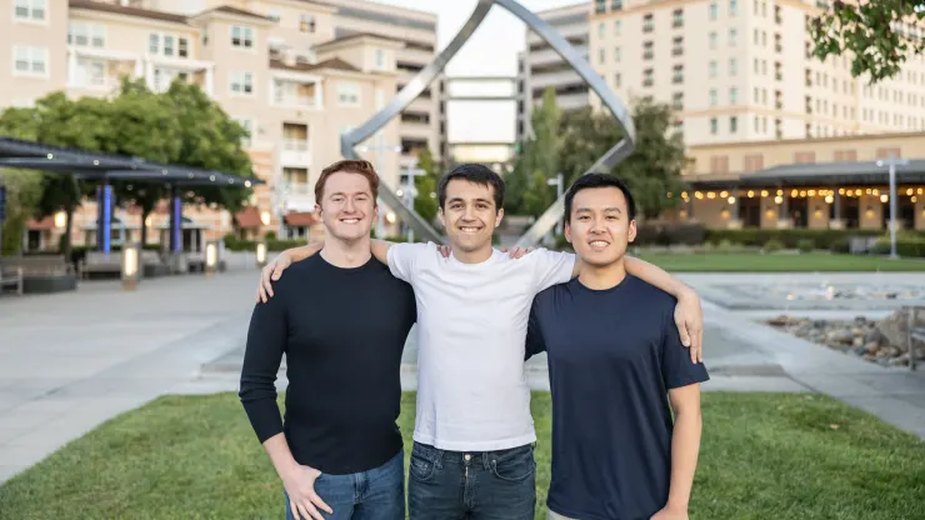

The race to build humanity’s future beyond Earth is creating a new generation of startups. TerraFirma, a construction tech startup founded by two former SpaceX engineers, has raised $115 million from a group of high-profile investors to bring SpaceX-style speed and automation to one of the world’s oldest industries. The company’s long-term goal reaches far beyond construction sites on Earth. It wants to build the infrastructure needed for future settlements on Mars.
The funding round includes Kleiner Perkins, Bain Capital Ventures, SpaceX, Anduril, and defense manufacturing startup Hadrian. The fresh capital will help TerraFirma expand its workforce, open a factory in Texas, and build a mission control center that supports its growing fleet of remotely operated construction equipment.
Founded just two years ago and based in Austin, TerraFirma develops software and control systems that enable operators to run heavy construction equipment remotely using familiar interfaces, including Xbox controllers. The company says the approach lowers costs, improves safety, and makes it easier to complete projects in environments where skilled equipment operators are hard to find.
For CEO and co-founder Noah Schochet, construction represents one of the biggest untapped opportunities for automation.
“Infrastructure is a bottleneck to basically every single industry that needs to innovate over the next couple of decades,” Schochet told CNBC. “There’s such a deficit of people taking all of the great tech that has existed and been built for the last couple decades and bringing it” to the construction industry.
The company plans to hire about 300 employees over the next year as it scales operations.
SpaceX alumni building remote-controlled construction equipment land $115 million fund round
TerraFirma is part of a growing group of startups founded by former SpaceX employees who are applying lessons learned from one of the world’s most demanding engineering organizations to industries far outside aerospace. Companies such as Castelion, which develops hypersonic defense systems, and Relativity Space have followed similar paths after being launched by SpaceX alumni.
Interest in space infrastructure has grown following SpaceX’s reported $86 billion IPO last month and renewed efforts to establish a permanent human presence beyond Earth. NASA continues to advance plans for long-term lunar exploration through its Artemis program, and private companies increasingly see opportunities in building the industrial systems that could support future activity on the Moon and Mars.
That future could extend far beyond rockets. Engineers have proposed manufacturing solar panels in space, moving energy-intensive industries off Earth, and building orbital data centers where launch costs and energy availability eventually become more favorable. TerraFirma sees construction technology as one piece of that larger vision.
The company’s origins trace back to Princeton University, where Schochet and co-founder Noah McGuinness met on their first day of engineering classes nearly a decade ago. The pair completed projects together throughout college before taking separate engineering roles at SpaceX.
McGuinness worked on Starshield, SpaceX’s government satellite program. Schochet joined the Starlink team before moving to Starship, the company’s next-generation launch system.
Working inside SpaceX exposed both founders to an engineering culture built around speed, iteration, and constant scaling. It came with its share of challenges. Teams often worked under demanding conditions as infrastructure struggled to keep pace with the company’s growth.
That experience sparked a question. If SpaceX could build rockets the size of skyscrapers at an accelerating pace, why had construction changed so little?
“We’re building rockets the size of skyscrapers at one a month, and all those processes for mass manufacturing automation, none of them are showing up in construction,” Schochet said.
TerraFirma now wants to bring that philosophy to an industry that has traditionally lagged behind manufacturing in automation and productivity. Its immediate focus remains on construction projects on Earth. Its long-term ambition is far bigger: creating the tools that could one day help build the first infrastructure on Mars.