
China’s intervention in Meta’s $2 billion acquisition of AI startup Manus is opening the door for one of the country’s biggest technology companies to step in instead.
Tencent is in talks to become the largest shareholder in Manus after Chinese regulators ordered Meta to unwind its acquisition of the AI agent startup, according to people familiar with the matter. The proposed transaction would mark one of the most significant ownership reshuffles in the AI sector this year and would highlight Beijing’s growing influence over cross-border AI deals.
The Financial Times first reported Tencent’s discussions on Friday. Reuters later reported that Tencent, together with Manus’ early investors, including ZhenFund and HSG, is seeking to buy the company back from Meta in a deal valued at no less than $2 billion.
“Tencent leads deal to unwind Meta’s $2bn Manus acquisition. Chinese tech group set to become largest shareholder in AI agent start-up after Beijing ordered reversal of US takeover,” the Financial Times reported.
Meta announced its acquisition of Manus in December as part of its broader push into agentic AI. The deal drew close scrutiny from Chinese regulators, who launched a review in April over potential violations of investment rules. Beijing later ordered the transaction to be unwound, making it one of the highest-profile examples of China challenging a cross-border acquisition involving an AI company.
Bloomberg reported last month that Meta had already begun separating its operations from Manus internally and halted data sharing between the two companies after regulators intervened.
The reversal comes at a time when AI agents have become one of the industry’s most closely watched markets. Unlike traditional chatbots that primarily generate text, AI agents are built to plan, use software, gather information, and complete multi-step tasks with limited human supervision. Major technology companies, including Meta, OpenAI, Anthropic, Google, Microsoft, and Amazon, are investing heavily in AI agents, viewing them as the next major computing platform.
Manus became one of China’s best-known AI startups after introducing what it described as the world’s first general AI agent. State media and industry observers quickly compared the company to DeepSeek, another Chinese AI company that gained international attention for demonstrating competitive AI capabilities at a fraction of the cost claimed by many Western rivals.
The company relocated its operations from China to Singapore last year, a move that gave it greater international flexibility. Its Chinese roots still placed the Meta acquisition under Beijing’s scrutiny.
Tencent Moves to Become Manus’ Largest Shareholder After China Reverses Meta’s $2B AI Deal
A Tencent investment would give Manus access to one of China’s largest technology ecosystems. Tencent operates one of the country’s biggest cloud platforms and owns widely used consumer services, developer tools, gaming businesses, enterprise software products, and advertising networks. Those assets could help Manus accelerate deployment of its AI agents across both consumer and enterprise markets.
For Tencent, acquiring a controlling stake offers a faster path to advanced autonomous AI systems than building all capabilities internally. China’s largest technology companies are increasingly buying into promising AI startups instead of waiting for independent rivals to grow into major competitors.
The proposed deal carries significance beyond the companies involved. It signals that AI agents are now viewed as strategic assets whose ownership can have national-interest implications. As competition between the United States and China extends from semiconductor manufacturing to frontier AI models and autonomous software, governments are taking a more active role in deciding who controls the next generation of AI infrastructure.
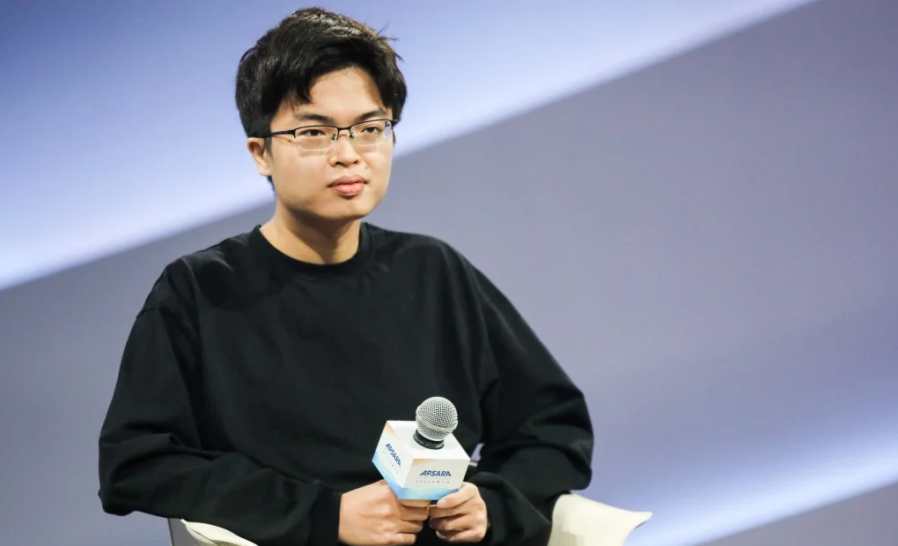
Manus Founder