
Apple has sued OpenAI, accusing the ChatGPT maker of using its trade secrets to speed up its push into consumer hardware after hiring hundreds of former Apple employees. The lawsuit marks a sharp escalation in the rivalry between the two companies, whose relationship has shifted from AI partners to courtroom adversaries despite Apple’s recent integration of ChatGPT into Siri.
The complaint, filed Friday in the U.S. District Court for the Northern District of California, alleges that OpenAI and two former Apple employees orchestrated a scheme to misappropriate confidential information covering hardware designs, manufacturing methods, and supply chain strategies.
Reuters first reported the lawsuit on Friday, calling it “a dramatic escalation of already simmering tension between the two companies” that remain business partners through ChatGPT’s integration into Apple’s AI features even as they compete aggressively in the race to build the next generation of AI hardware.
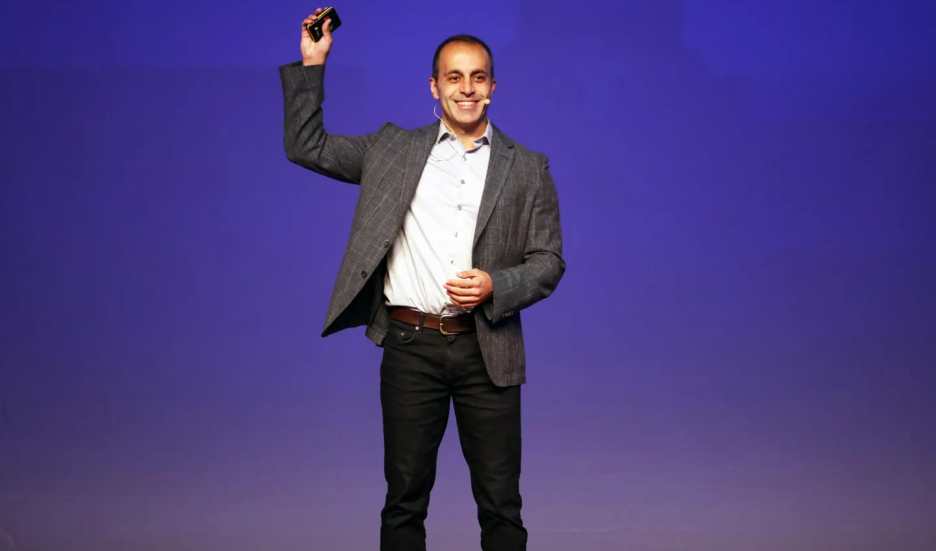
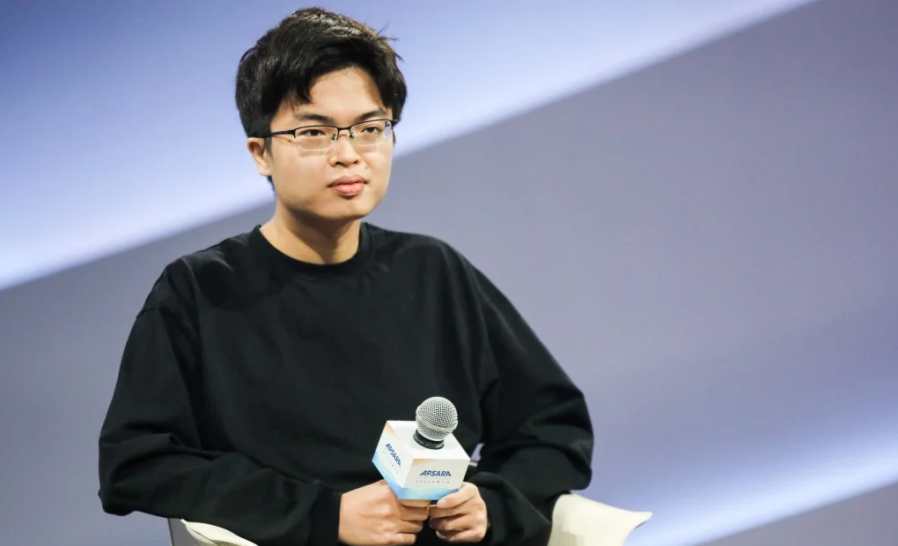
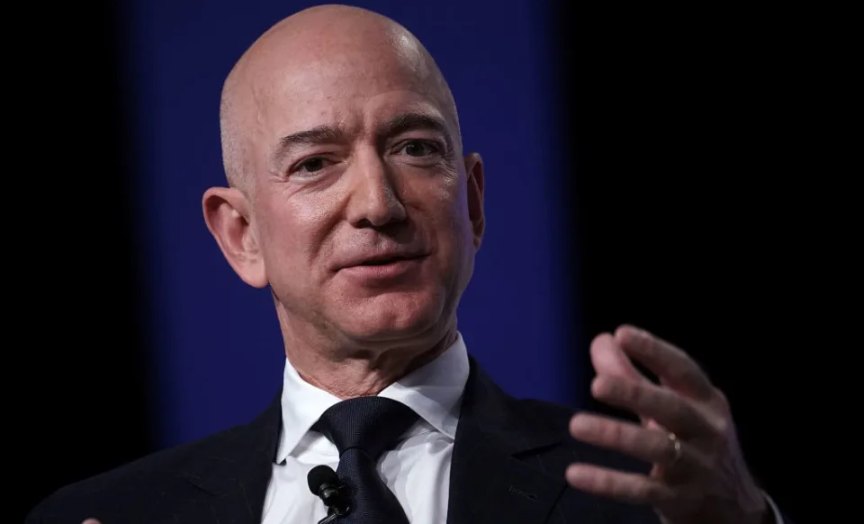
Apple named former senior system electrical engineer Chang Liu, former Vice President of Product Design for iPhone and Apple Watch Tang Yew Tan, OpenAI Foundation, OpenAI Group PBC, and io Products as defendants. Neither Liu nor Tan immediately responded to requests for comment.
According to the complaint, Liu failed to return his Apple-issued work laptop after leaving the company. Apple alleges he later exploited an authentication bug to regain access to Apple’s internal systems and downloaded “dozens of Apple’s confidential hardware-related files.”
The lawsuit claims Tan took a different approach. Apple alleges he emailed himself confidential information about Apple suppliers and internal industry reports before leaving the company, then used that knowledge to benefit OpenAI’s growing hardware business.
Apple claims Tan encouraged Apple employees interviewing at OpenAI to bring physical Apple components to interviews for what it described as “show and tell” sessions. The filing cites one job candidate who allegedly remarked that he “didn’t even know we could take those from the office.”
The company says more than 400 former Apple employees now work at OpenAI. Apple acknowledges that those employees inevitably possess institutional knowledge from their time at the iPhone maker, though it argues that does not give OpenAI permission to use confidential information.
“That OpenAI now employs people who were once entrusted with Apple’s trade secrets does not entitle OpenAI to use that information to jumpstart its hardware efforts,” Apple wrote in its complaint.
Apple alleges the issue extended beyond former employees. The company claims that OpenAI personnel approached Apple suppliers to seek confidential manufacturing information. In one example, Apple says a supplier used a proprietary metal-finishing technique after believing OpenAI had Apple’s authorization to do so.
Apple’s lawsuit puts OpenAI’s hardware ambitions under the spotlight
The legal battle lands just months after OpenAI completed its $6.5 billion acquisition of io Products, the hardware startup founded by former Apple design chief Jony Ive. The deal signaled OpenAI’s ambition to move beyond AI software into consumer devices that could compete with products from Apple and other hardware makers.
Ive is not named as a defendant in the lawsuit.
Apple’s filing suggests tensions between the companies have been building for months. According to the complaint, Apple contacted OpenAI in February after becoming concerned that confidential information was leaking into OpenAI’s hardware efforts. Apple says it requested discussions with the company but never received a response.
In May, Reuters reported that OpenAI had been exploring legal options of its own against Apple, including notifying the iPhone maker of an alleged breach of contract, though a full lawsuit had not yet been filed.
The courtroom clash comes at an awkward time for the two companies. Apple and OpenAI remain business partners through Apple’s AI features. Since 2024, Apple has integrated ChatGPT into Apple Intelligence, letting Siri hand off certain requests to OpenAI’s chatbot. iPhone users can subscribe to ChatGPT directly through iOS settings.
Apple rolled out its long-delayed Siri overhaul last month, nearly two years after first unveiling plans for a more capable AI assistant.
The lawsuit adds a new layer of uncertainty to one of the AI industry’s highest-profile partnerships, raising questions about whether the companies can continue working together on consumer AI features as they battle over allegations of trade secret theft in court.