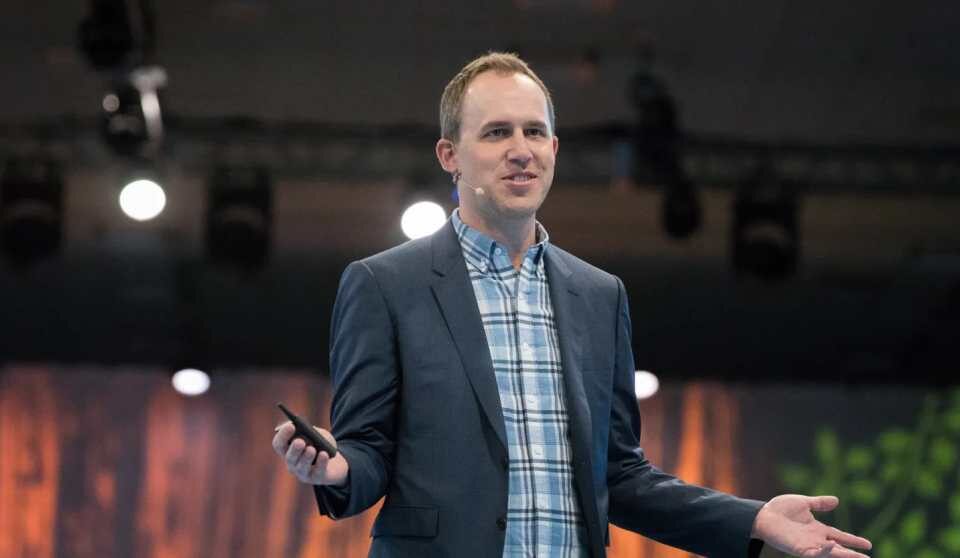
The AI gold rush may be getting overheated. Bret Taylor, chairman of OpenAI’s board and co-founder of customer service startup Sierra, says the frenzy around artificial intelligence looks a lot like a bubble. Speaking at the World Economic Forum in Davos, he didn’t mince words. The flood of capital pouring into every layer of the tech stack has pulled in both seasoned investors and newcomers chasing the next big thing.
Taylor put it bluntly.
“When everyone knows that AI is going to have a huge impact on the economy across a huge range of industries and workflows, money is plentiful,” he told CNBC.
That rush, he said, won’t last forever.
“I think over the next few years, you’ll see a correction, you also see consolidation, but I don’t think you can get innovation without that kind of messy competition.”
Taylor’s comments echo remarks made five months earlier by OpenAI CEO Sam Altman, who openly compared today’s AI hype to the dot-com boom. Altman didn’t shy away from the bubble label either.
“When bubbles happen, smart people get overexcited about a kernel of truth,” he explained. “If you look at most of the bubbles in history, like the tech bubble, there was a real thing. Tech was really important. The internet was a really big deal. People got overexcited. Are we in a phase where investors as a whole are overexcited about AI? My opinion is yes. Is AI the most important thing to happen in a very long time? My opinion is also yes.”
In short, both leaders agree on the paradox. The hype is real. The impact is real, too.
AI Is a Bubble, Says OpenAI Chair Bret Taylor, as $10B Startup Race Heats Up
Taylor’s view carries weight. His résumé reads like a Silicon Valley greatest-hits album. He previously served as co-CEO of Salesforce alongside Marc Benioff. He chaired Twitter’s board back when it was still called Twitter. He worked as Facebook’s CTO and helped create Google Maps. Today, he sits at the center of the AI conversation as OpenAI’s board chair.
In 2023, Taylor co-founded Sierra, a startup building AI agents for customer service teams. The company raised $350 million last fall, pushing its valuation to $10 billion. That round landed right in the middle of an investor stampede into AI startups, from model builders to infrastructure providers and enterprise tools.
Taylor isn’t backing away from AI. Far from it. He describes himself as an optimist about what the technology can do across commerce, search, and payments. He just doesn’t expect the adoption curve to move overnight. Real change takes time. Companies need to rework processes. Regulators need to catch up. Data centers and compute capacity need to scale.
“I think we’re at the beginning of this curve,” Taylor said.
His message lands at a moment when AI funding headlines feel nonstop. Mega-rounds, sky-high valuations, and aggressive hiring have become routine. History suggests this pattern rarely holds forever. Corrections follow hype cycles. Winners emerge. Others fade out.
Taylor seems comfortable with that outcome. In his view, the chaos is part of the process. Big shifts never arrive neatly packaged. They come with excess, mistakes, and overconfidence. Out of that noise, the real builders surface.
For founders and investors alike, the takeaway feels simple. AI will reshape huge parts of the economy. The path there will get bumpy. And when the dust settles, only the companies with products people truly want will still be standing.