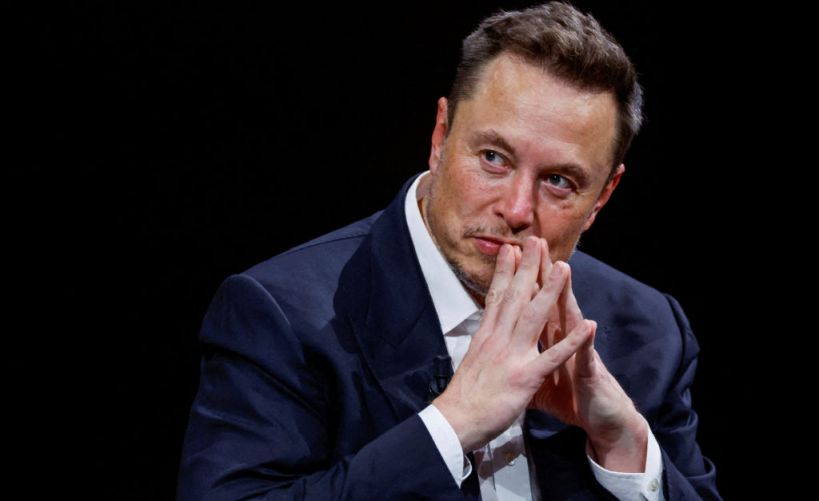
Tesla’s annual shareholder meeting next week is shaping up to be one of the most dramatic in the company’s history. At the center of it all is Elon Musk’s proposed $1 trillion compensation package—an unprecedented payday that’s sparked fierce debate among investors and corporate governance watchdogs alike.
Late last month, Tesla board chair Robyn Denholm said the company is ready to appoint a new CEO from within if Musk steps down. That statement alone hinted at the stakes. Now, Norway’s sovereign wealth fund—the world’s largest—has officially said it will vote against ratifying Musk’s proposed package, arguing it’s excessive and poorly structured.
“Norway’s sovereign wealth fund, the world’s largest, said it would vote against ratifying Tesla CEO Elon Musk’s proposed compensation package that is potentially worth $1 trillion at an annual general meeting later this week,” Reuters reported.
Investors will decide on November 6 whether to approve the deal, which would be the largest CEO compensation plan in corporate history. The board insists the package is necessary to keep Musk motivated and tied to Tesla’s long-term growth. Critics see something else: a pay plan that concentrates too much control in one person’s hands and sets a dangerous precedent for corporate governance.
Norway’s Wealth Fund Says No to Musk’s Record $1 Trillion Tesla Compensation Plan
Denholm has warned that rejecting the deal could push Musk to walk away from Tesla, now valued at around $1.5 trillion. But opponents say approving it gives him unchecked influence over the company’s future.
For all the noise, blocking Musk’s pay deal won’t be easy. It’s expected to pass given widespread support among retail investors and Musk’s own 13.5% voting stake. Tesla’s move to Texas last year also makes things simpler for the CEO, with local laws allowing him to use his shares to influence the vote directly.
The Norwegian fund’s decision carries symbolic weight—it’s the biggest investor so far to publicly break ranks. Baron Capital, another major shareholder, has already said it will back Musk. The rest—BlackRock, Vanguard, and State Street—remain quiet, at least for now.
Proxy advisers ISS and Glass Lewis have urged investors to reject the proposal, saying the package is too large and pays out even if Musk only hits part of his performance goals. They raised similar objections last year when shareholders approved a $56 billion plan from 2018, backed by a wave of retail investors who have long viewed Musk as more than just a CEO.
This time, the stakes are even higher. The proposed award could grant Musk stock worth up to $1 trillion over ten years, though a Reuters analysis estimates the real value after deductions at roughly $878 billion.
“While we appreciate the significant value created under Mr. Musk’s visionary role, we are concerned about the total size of the award, dilution, and lack of mitigation of key person risk—consistent with our views on executive compensation,” Norway’s Norges Bank Investment Management wrote on its website.
The fund, Tesla’s seventh-largest shareholder with a 1.12% stake worth $17 billion, voted against Musk’s previous pay plan too. That move prompted a sharp response from Musk, who later declined an invitation to speak at a conference in Oslo.
The Norwegian fund didn’t stop there—it also said it would vote against two of three Tesla directors up for re-election, rejecting long-time board members Kathleen Wilson-Thompson and Ira Ehrenpreis but backing Joe Gebbia, who joined in 2022.
It’s not just Musk’s personal package under scrutiny. The fund plans to oppose Tesla’s general stock compensation plan, which could be used to benefit Musk indirectly. Tesla argues the plan is fair and performance-based, saying Musk “would earn nothing” unless the company hits aggressive targets—most notably reaching an $8.5 trillion market value, nearly six times its current size.
The upcoming vote isn’t just about money—it’s about how much power investors are willing to give one man. For years, Musk has defined Tesla’s identity, brand, and momentum. Now shareholders must decide whether that leadership is worth a price tag history has never seen.