Based in Amarillo, Texas, Fermi is structured as a real estate investment trust and has ambitions to build what it calls the world’s largest energy and data complex. The company wants to raise capital by selling 25 million shares priced between $18 and $22 apiece, with listings planned on both Nasdaq and the London Stock Exchange under the ticker “FRMI.” UBS, Evercore, Cantor, and Mizuho are leading the offering.
“Fermi America intends to use the net proceeds from this offering, together with its existing cash, cash equivalents and short-term investments, to support the continued growth and development of Fermi America’s business, to secure personnel, to increase its financial flexibility and for general corporate purposes, including, but not limited to, procurement, construction and installation of long lead-time items,” the company said in a news release.
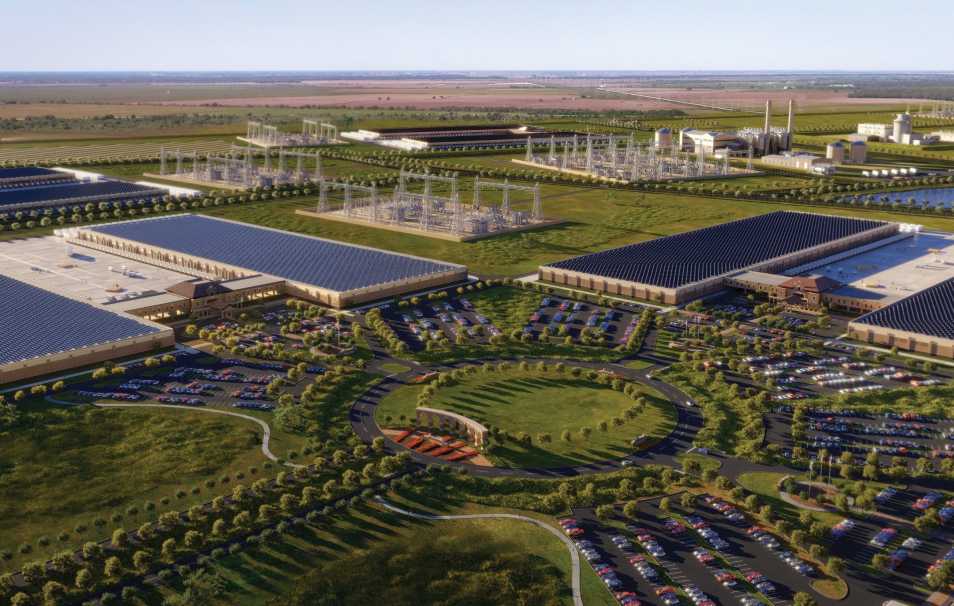
The pitch is straightforward: AI models consume enormous amounts of energy and computing power, and Fermi plans to meet that demand with a massive 5,236-acre energy campus combining nuclear, natural gas, and solar. Its flagship initiative, Project Matador, is targeting 11 gigawatts of capacity by 2038, with one gigawatt expected to come online by the end of 2026.
For now, the company is more vision than reality. Founded in January 2025, it remains a development-stage business and has yet to generate revenue. Since launch, it has posted a $6.4 million loss. “AI is arguably the investment story of a lifetime, but at this stage Fermi is still a story, and it’ll be interesting to see how much investors will pay for it,” Matt Kennedy, senior strategist at Renaissance Capital, told Reuters. “It’s (the proposed valuation) very ambitious for a development-stage company. The key here is what sort of contracts they can sign.”
Fermi’s strategy is to draw hyperscalers and data center tenants to its site, which it believes will be uniquely positioned to serve the swelling demand from AI developers. The IPO proceeds will go toward procuring equipment and powered shells for its complex.
The company has heavyweight political backing—Perry served as governor of Texas for 15 years before leading the U.S. Department of Energy under President Trump—and is now a director at Fermi. His presence gives the startup both credibility and a direct line to the energy policies that could shape its future.
Fermi joins a wave of AI-focused infrastructure players heading to public markets this year. Data center operators like CoreWeave and WhiteFiber have already tapped investors eager to get exposure to the infrastructure layer of AI. Whether Fermi can secure contracts and scale fast enough to justify its $13 billion price tag is the question investors are betting on.